

Florida Avenue NE and New York Avenue NE Intersection and Mamie “Peanut” Johnson Plaza


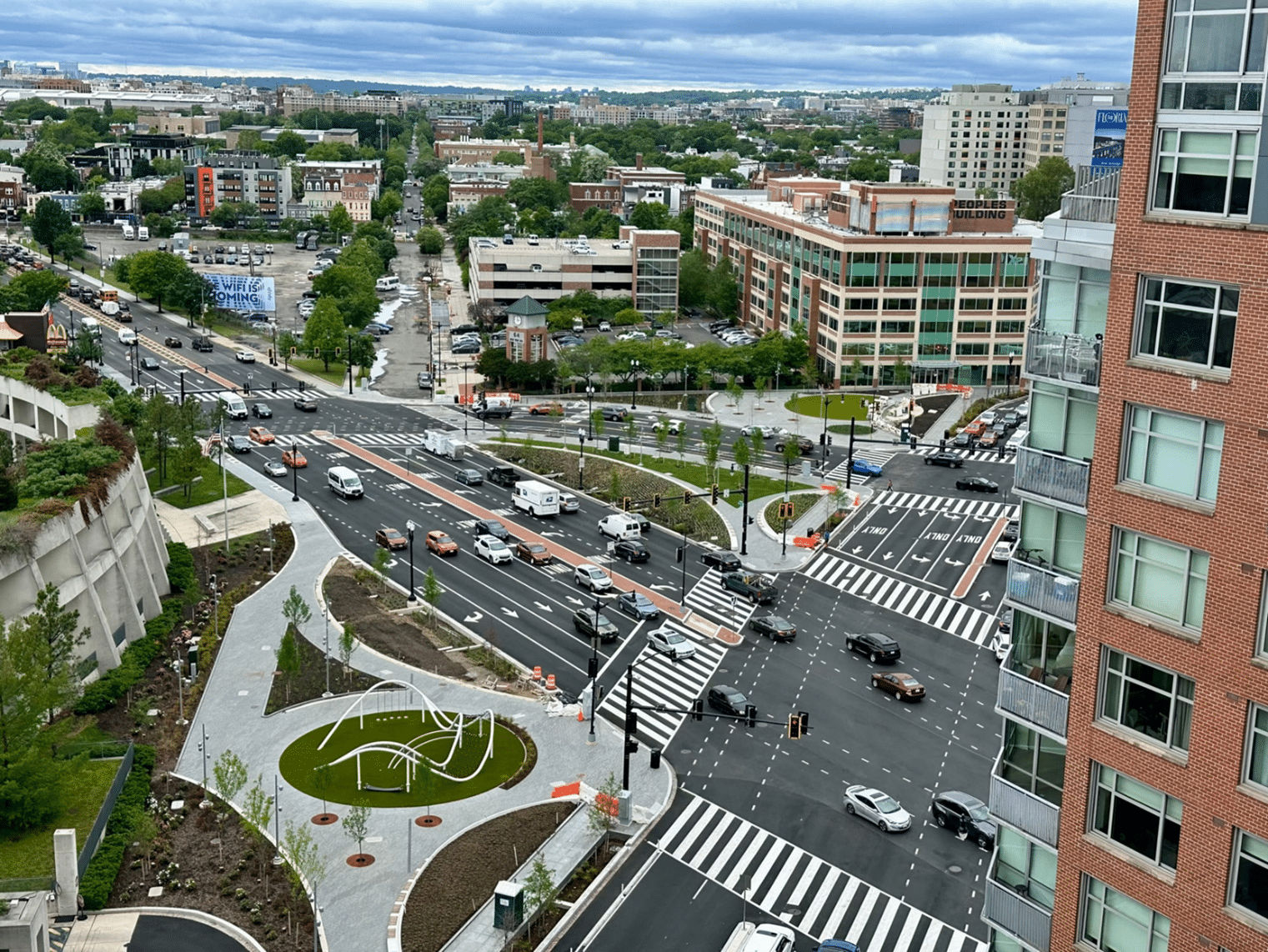
This project transformed one of Washington, DC’s most dangerous and heavily traveled intersections into a safer, more connected, and more welcoming community gateway in Ward 6. The goal of the project was to reduce crashes, improve traffic operations, expand multimodal access, and create public spaces that reflect the neighborhood’s identity. Per DDOT, more than 99,000 vehicles pass through the intersection daily, and according to Mayor Bowser at the ribbon cutting ceremony, the corridor is now significantly safer and more welcoming for the community following construction and revised traffic patterns.
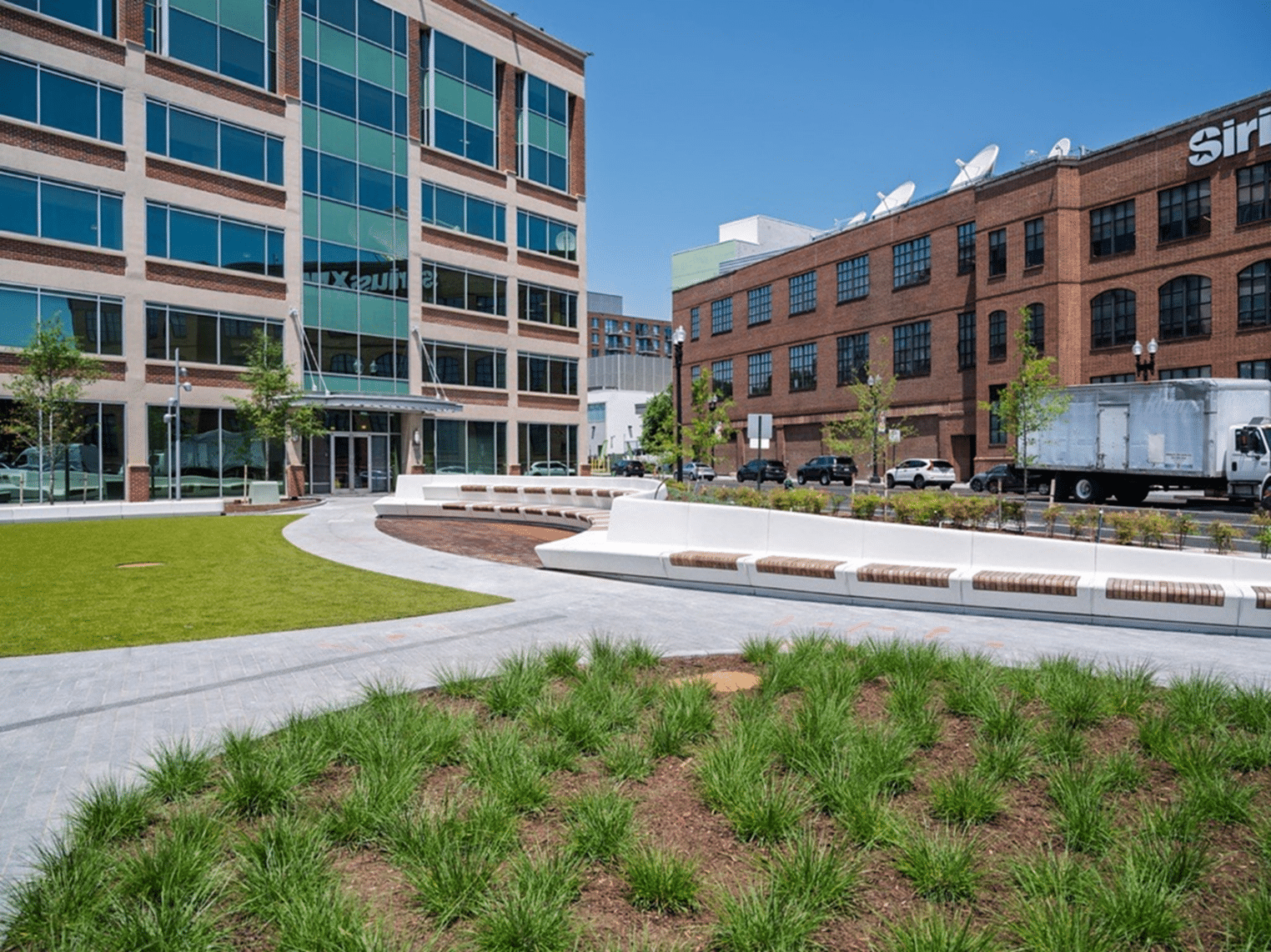
The project restored two-way operations on Florida Avenue NE and First Street NE, added protected bicycle lanes, upgraded signals and signage, and calmed traffic flow. Equally important, it created three new community park spaces known as Mamie “Peanut” Johnson Plaza. Named through a public process led by the NoMa BID that garnered more than 1,200 responses, the plaza honors Mamie “Peanut” Johnson, a DC native, trailblazing Negro League pitcher, and community leader whose legacy reinforced neighborhood pride and connected the project to a broader story of placemaking.
The Volkert Team provided comprehensive construction management and inspection (CM/CI) services to help DDOT bring this vision to life for the community and NoMa BID. Volkert oversaw daily field operations, verified work was completed in accordance with approved plans and specifications, and coordinated closely with DDOT staff, the construction contractor, and the Engineer of Record (EOR) to resolve design and construction issues in real time. By tracking schedule, managing cost and quality, and maintaining meticulous project documentation, Volkert enabled DDOT to successfully deliver this high-profile project while advancing the District’s Vision Zero goals.
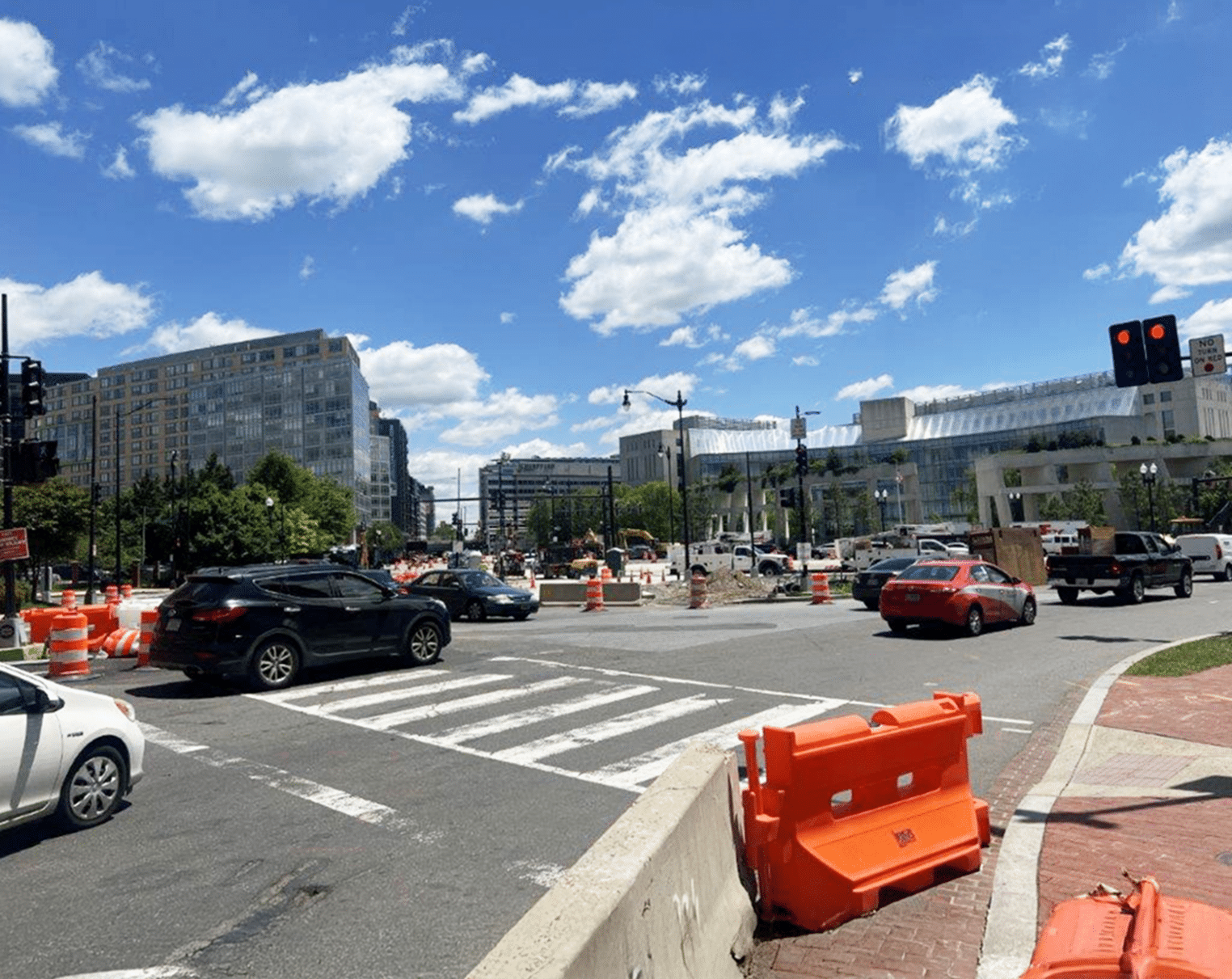
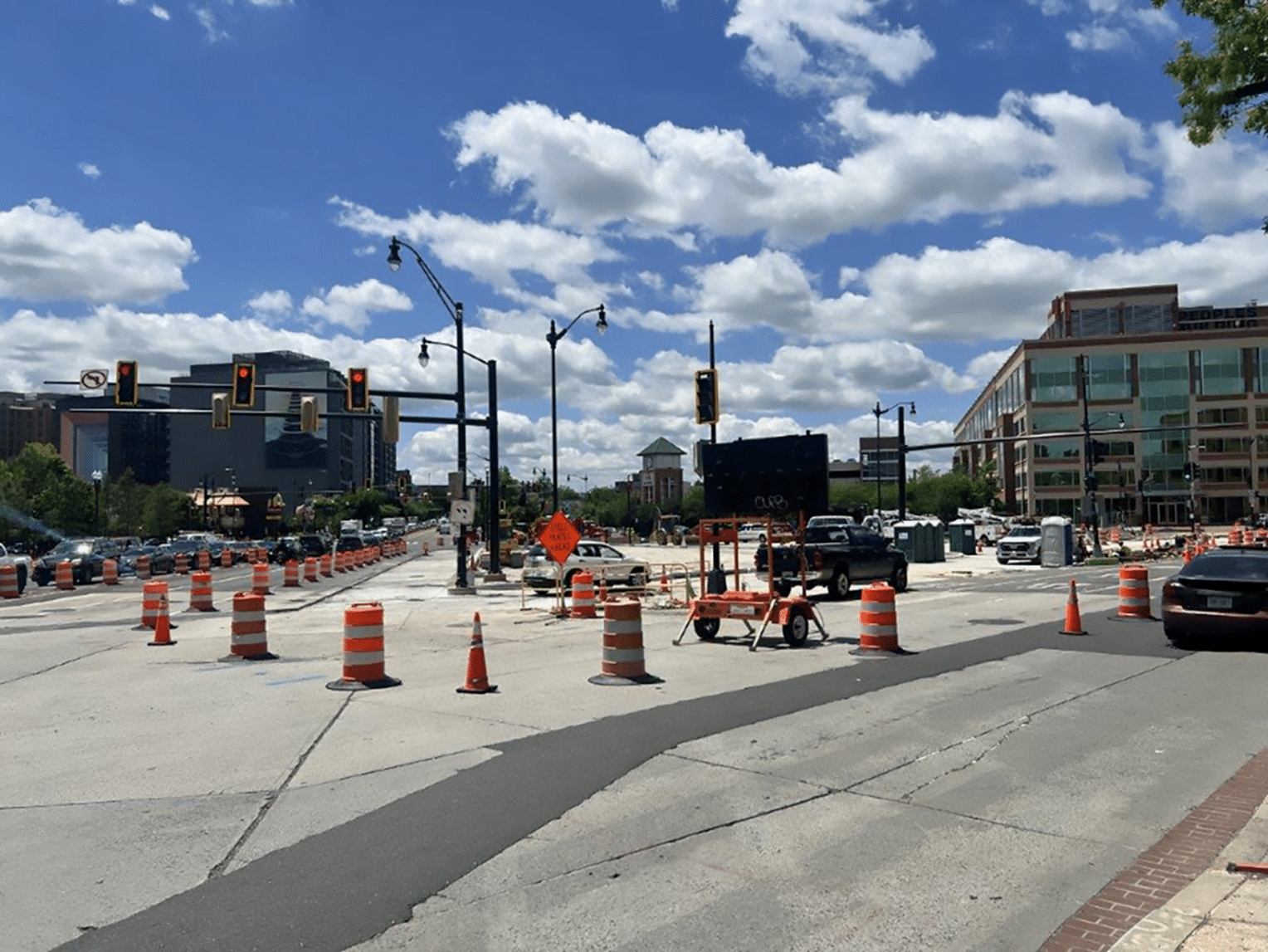
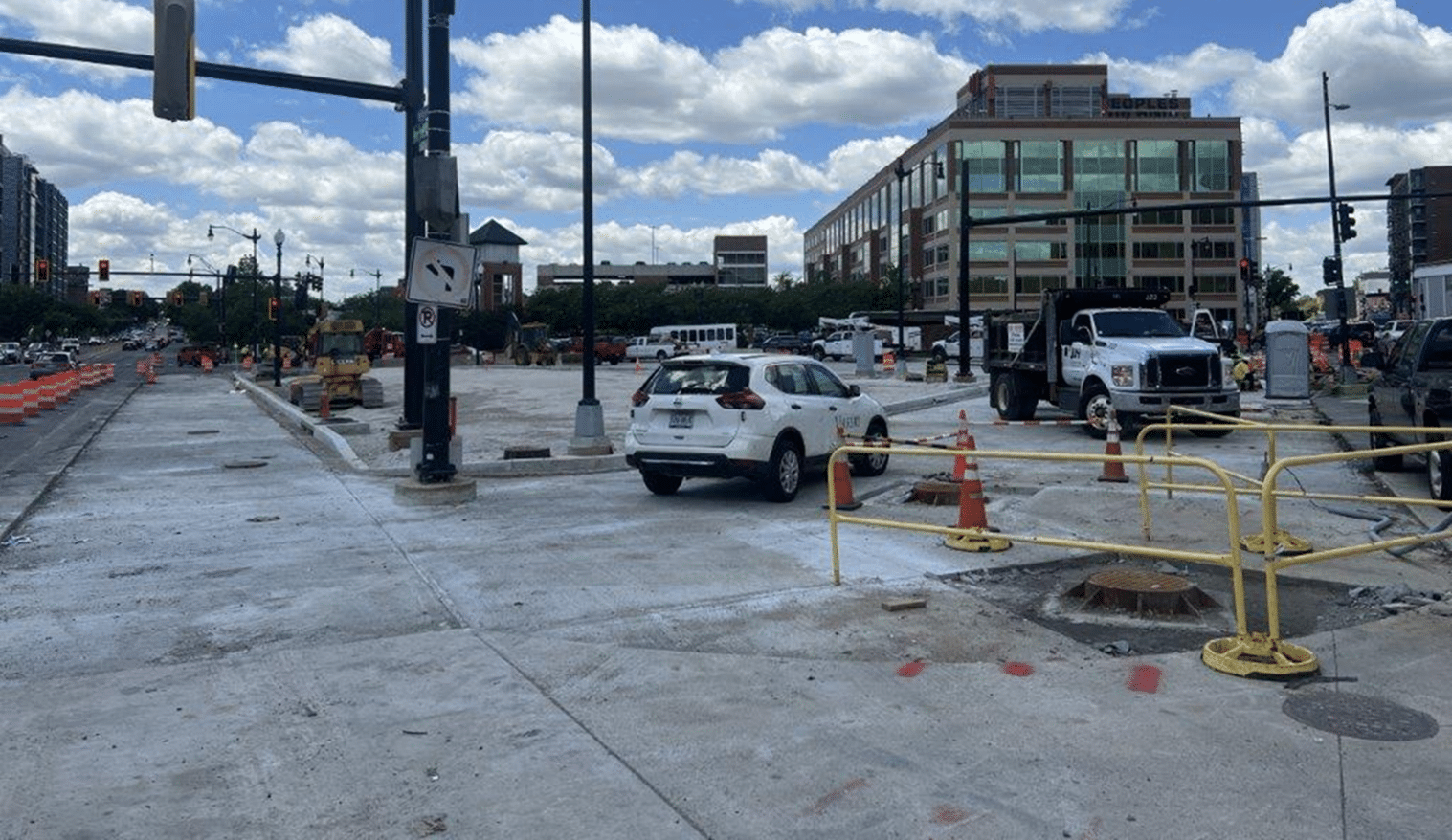
The project required a six-phase multimodal maintenance of traffic (MOT) plan at one of the District’s busiest and most complex intersections. Volkert worked with DDOT and the contractor to adapt lane closure schedules and reconfigure MOT setups in real time as unforeseen utility conflicts arose, maintaining safe operations for vehicles, bicyclists, and pedestrians while keeping construction on track. Volkert also coordinated extensively with DC Water, PEPCO, and Washington Gas to resolve utility conflicts before they impacted progress, integrating just-in-time design modifications and minimizing rework. These efforts were supported by real-time schedule monitoring, detailed cost control measures, and use of DDOT’s SharePoint system as a live project audit trail.
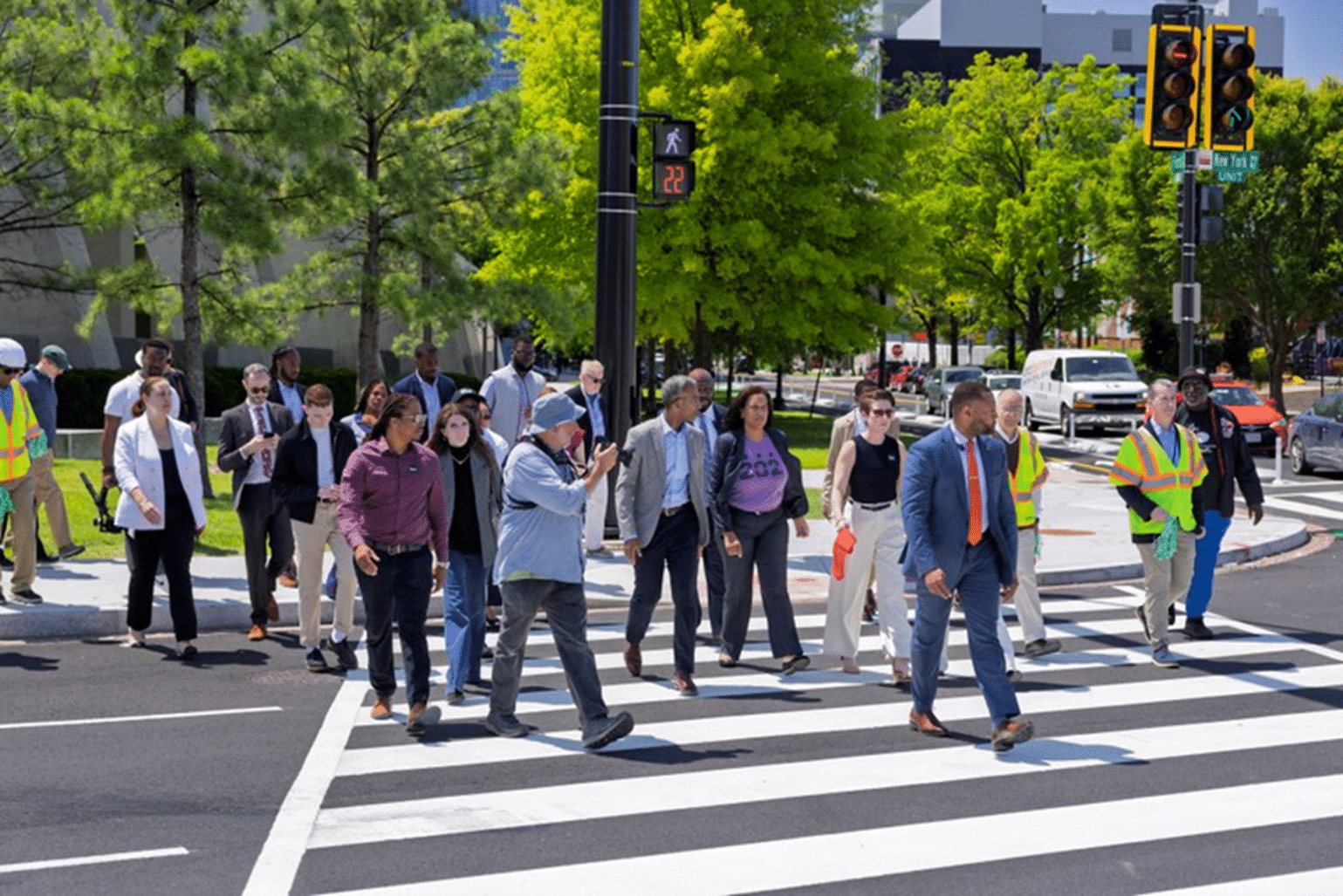
Inspectors combined continuous MOT monitoring with robust QA/QC measures, including asphalt and concrete testing, erosion and sediment control oversight, and daily accessibility checks against DDOT’s Pedestrian Safety and Work Zone Standards. Public engagement also played an important role throughout the project. Through a dedicated project website, door-to-door outreach, public events, and coordination with residents, businesses, and stakeholders, the team helped maintain awareness of construction activities and supported continued access through the corridor. The ribbon-cutting event brought together elected officials, agency leaders, residents, and media, generating significant local and national coverage while reinforcing community pride and public appreciation for the role of engineering.
The completed project promotes more sustainable transportation by encouraging walking and biking and by improving connections to public transit, contributing to a healthier and more resilient urban corridor. Volkert also monitored the installation of low impact development (LID) stormwater management facilities and coordinated with utility agencies to reduce construction waste and avoid unnecessary delays. The project was delivered on schedule and within budget, with a construction cost of approximately $21 million and completion in June 2025.
By transforming a confusing and collision-prone interchange into a functional civic gateway, the project demonstrates how targeted infrastructure investment can advance broader City priorities. It reflects DC’s commitment to building streets that balance mobility, equity, and livability while integrating culture and community identity into the urban landscape. The Florida Avenue NE and New York Avenue NE Intersection improvement project now stands as both a technical achievement and a visible reminder of how engineering can align with policy goals to deliver safer streets, stronger neighborhoods, and enduring public value.
The project has been recognized at the national level, earning an Honor Award from the 2026 ACEC Metropolitan Washington Engineering Excellence Awards and a National Recognition Award from the 2026 ACEC Engineering Excellence Awards.
Location
Washington, D.C.
Client
District Department of Transportation (DDOT)